
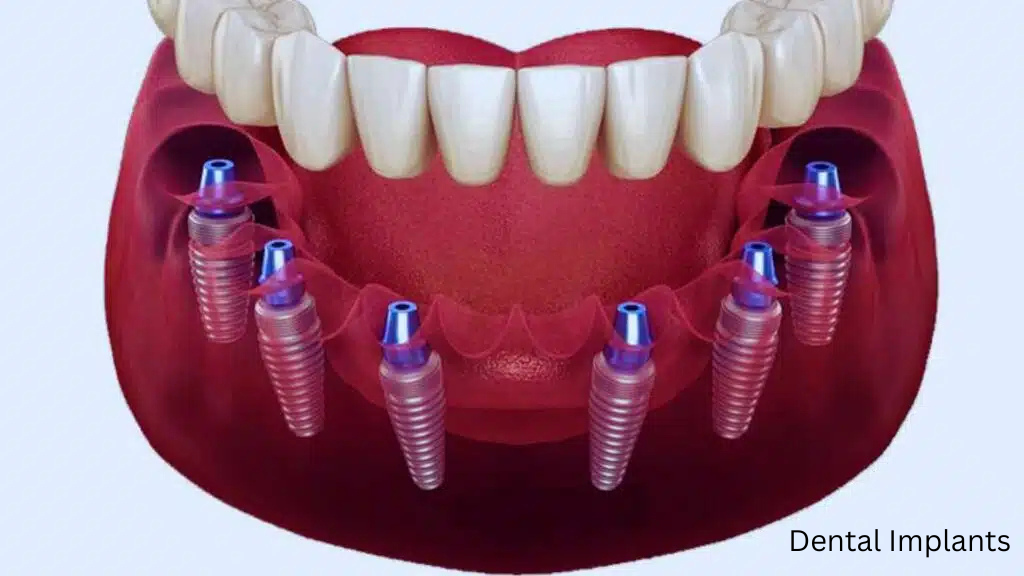
When patients explore dental implants, one concern often surfaces: “Could this procedure cause neurological issues?” While modern implantology is largely safe, a small but real risk of nerve injury exists – especially in the lower jaw where the inferior alveolar nerve (IAN) runs. Studies show that complications like persistent post-traumatic trigeminal neuropathy can occur if nerves are injured during drilling or implant placement.
In many cases, nerve issues are temporary. Mild injuries (neuropraxia) often resolve over weeks or months. But when nerve fibers are severely damaged or implants impinge directly on nerve canals, permanent symptoms like numbness, tingling, or altered sensation may persist. Risk is higher when planning is inadequate or imaging fails to reveal nerve proximity.
Luckily, advanced protocols – like those used in Corticobasal® Implants and full-mouth CorticoBasal® implants – help mitigate this risk. With precise preoperative 3D imaging and avoidance of problematic bone zones, experienced surgeons minimize nerve contact. Additionally, tilted placement or nerve bypass techniques can further protect nerve integrity.
Why Neurological Risk Remains Low in Expert Hands
- Detailed anatomical assessment before surgery ensures safe implant trajectories.
- Minimally invasive drilling angles avoid direct nerve courses.
- Immediate-loading strategies reduce micromotion that might stress nerve interfaces.
- Experienced surgical execution reduces errors and avoids overpenetration.
Dr. Vivek Gaur offers CorticoBasal® implants that fully adhere to these precautions. He is the best implantologist in Delhi NCR region who specializes in offering immediate-functional loading implantology that do not cause neurological problems.
FAQs: Understanding Neurological Risk in Implant Dentistry
Q1: How frequently do nerve injuries occur during implant placement?
Ans. Nerve injury is relatively rare but non-zero. While transient sensory disturbances may occur in up to 24% of cases, permanent nerve damage tends to occur at much lower rates – estimates vary from around 0.5% to 5%, depending on location and technique.
Q2: What symptoms might signal nerve involvement?
Ans. Symptoms include numbness or tingling in the lips, chin, tongue, or gums; burning sensations; altered taste; or discomfort when touching certain areas.
Q3: How does CorticoBasal® implant technique reduce neurological risks?
Ans. By anchoring in cortical bone zones away from the main nerve canals and employing intimately planned trajectories, CorticoBasal® methods reduce direct nerve contact.
Choose the world’s safest and most trusted dental implant technology – The CorticoBasal® implant treatment offered exclusively by Dr Vivek Gaur in Delhi-NCR.
Keep Yourself Updated By Following Our Social Page for The Latest News and Information.


